Immediate openings available for psychological assessments and therapy. Contact Us to schedule and appointment.
.png)



Understanding the Why Behind Your Challenges
Psychological assessments serve a crucial purpose in identifying the root causes of an individual’s presenting concerns. They help guide effective next steps, including accurate diagnoses and appropriate treatment planning.
The benefits of assessment extend beyond immediate needs, providing individuals with a valuable blueprint for navigating daily life. With a meticulous evaluation and written report, individuals can gain insight into possible contributors to stress, trauma, or other psychological challenges.
Our assessments also offer a framework for understanding and addressing neurodevelopmental differences such as ADHD, learning disorders (for example, dyslexia and dyscalculia), intellectual functioning, and cognitive giftedness.


Why Consider a Psychological Assessment
Our comprehensive psychological assessments help identify strengths, clarify diagnoses, and provide a personalized blueprint for treatment, educational planning, workplace accommodations, and meaningful next steps.
A comprehensive assessment combines clinical interviews, standardized testing, record review, and behavioral observations to develop a thorough understanding of how an individual thinks, learns, feels, and functions. Every evaluation includes a detailed written report with personalized recommendations designed to support success at home, school, work, and in everyday life.
We provide assessments for a wide range of concerns, including mental health, ADHD, learning disorders, intellectual functioning, executive functioning, neuropsychological conditions, giftedness, and Independent Medical Evaluations (IMEs). For individuals seeking an autism evaluation, we also offer comprehensive Autism Spectrum Disorder (ASD) assessments through our dedicated ASD assessment service.

Why Consider a Psychological Assessment
Our comprehensive psychological assessments help identify strengths, clarify diagnoses, and provide a personalized blueprint for treatment, educational planning, workplace accommodations, and meaningful next steps.
A comprehensive assessment combines clinical interviews, standardized testing, record review, and behavioral observations to develop a thorough understanding of how an individual thinks, learns, feels, and functions. Every evaluation includes a detailed written report with personalized recommendations designed to support success at home, school, work, and in everyday life.
We provide assessments for a wide range of concerns, including mental health, ADHD, learning disorders, intellectual functioning, executive functioning, neuropsychological conditions, giftedness, and Independent Medical Evaluations (IMEs). For individuals seeking an autism evaluation, we also offer comprehensive Autism Spectrum Disorder (ASD) assessments through our dedicated ASD assessment service.
ABOUT US
What to Expect During
Your Psychological Assessment
Our comprehensive assessment process typically includes a clinical interview, one to three in-person testing sessions, questionnaires, review of relevant records, collateral information (when appropriate), data analysis, a comprehensive written report, and a personalized feedback session. Every assessment is tailored to your unique needs to provide meaningful answers, practical recommendations, and a clear blueprint for moving forward.
Clinical Interview (Virtual or In-Person)
A 1.5 to 2-hour interview to discuss your concerns, background, strengths, and goals. This is typically conducted virtually, with in-person options available.
Testing
One to three in-person testing sessions using standardized psychological measures selected specifically for your referral questions.
Questionnaires and Records Review
Completion of online questionnaires and review of relevant records, such as previous assessments, report cards, medical records, or other supporting documentation.
Collateral Information (When Appropriate)
With your permission, we may gather information from family members, teachers, physicians, or other professionals to develop a more comprehensive understanding.
Data Analysis and Comprehensive Report
All assessment findings are carefully integrated into a detailed report that summarizes results, provides diagnostic clarification when appropriate, highlights strengths, and includes personalized recommendations and a practical blueprint for moving forward.
Personalized Feedback Session
A dedicated meeting to review the results, answer your questions, and ensure you fully understand the findings and recommendations.
Optional Follow-Up
Additional consultation is available to support implementation of recommendations, school or workplace planning, report interpretation, or coordination with other professionals.

REQUIREMENTS
What to Bring to Your Assessment

To help us provide the most thorough and efficient assessment possible, you are welcome to bring any relevant documents you already have. Don't worry if you don't have everything listed below. We will let you know what is most helpful based on your specific assessment.
-
Previous psychological, educational, or medical reports (if available)
-
School records or report cards (if applicable)
-
A list of current medications
-
Relevant medical or educational records
-
Resume or Curriculum Vitae (for adult assessments, if applicable)
SERVICES
Types of Assessments
Mental Health
Assessments
What it is
A comprehensive evaluation designed to provide a clear understanding of your emotional, behavioral, and psychological functioning. Mental health assessments help clarify diagnoses, identify underlying factors, and guide treatment planning.
Who it's for
Individuals experiencing concerns such as anxiety, depression, trauma, OCD, personality concerns, mood changes, or other emotional or behavioral challenges, as well as anyone seeking diagnostic clarification or a better understanding of their mental health.
What you receive
A comprehensive report outlining your diagnoses (when applicable), strengths, areas of concern, and personalized recommendations, providing meaningful insight and a clear blueprint for moving forward with confidence.
Attention-Deficit/Hyperactivity Disorder (aDHD) Assessments
What it is
A comprehensive evaluation designed to determine whether ADHD is present and to understand how attention, executive functioning, learning, and related mental health factors affect daily life. Our ADHD assessments include a comprehensive mental health evaluation, as emotional and behavioral factors can significantly influence attention and overall functioning.
Who it's for
Children, adolescents, and adults experiencing difficulties with attention, concentration, organization, memory, impulsivity, hyperactivity, or executive functioning, or anyone seeking diagnostic clarification and personalized recommendations.
What you receive
A comprehensive report outlining your diagnosis (when applicable), cognitive and executive functioning profile, strengths, areas of difficulty, and personalized recommendations for school, work, treatment, and accommodations. The report provides meaningful insight and a clear blueprint for moving forward.
Learning
Assessments
What it is
A comprehensive evaluation designed to assess learning, academic achievement, cognitive functioning, and intellectual abilities. These assessments help identify learning disorders such as dyslexia, dysgraphia, and dyscalculia, as well as intellectual disabilities and giftedness, providing a clear understanding of how an individual learns best.
Who it's for
Children, adolescents, and adults experiencing academic difficulties, concerns about learning or cognitive functioning, questions about giftedness, or those seeking diagnostic clarification and recommendations to support success at school, post-secondary, or work.
What you receive
A comprehensive report outlining your cognitive and academic profile, diagnoses (when applicable), strengths, areas of difficulty, and personalized recommendations for learning, accommodations, and intervention. The report provides meaningful insight and a clear blueprint for moving forward.
Neuropsychological
Evaluations
What it is
A comprehensive evaluation designed to assess cognitive functioning, including attention, memory, executive functioning, processing speed, language, and other thinking abilities. These evaluations help identify how neurological, medical, developmental, or psychological factors may be affecting day-to-day functioning.
Who it's for
Children, adolescents, and adults experiencing concerns with memory, attention, executive functioning, cognitive decline, recovery following a neurological event or injury, or anyone seeking a better understanding of their cognitive strengths and challenges.
What you receive
A comprehensive report outlining your cognitive profile, diagnoses (when applicable), strengths, areas of difficulty, and personalized recommendations for treatment, rehabilitation, education, work, and daily functioning. The report provides meaningful insight and a clear blueprint for moving forward.
Integrated
Assessments
What it is
An integrated assessment combines multiple assessment types into one comprehensive evaluation, tailored to your referral questions, concerns, and goals.
Who it's for
Individuals whose concerns span more than one area, such as ADHD, autism, learning, mental health, neuropsychological functioning, or diagnostic clarification.
What you receive
A single, comprehensive report that integrates findings across all relevant domains, provides clear diagnoses when appropriate, and offers practical recommendations and a personalized blueprint for next steps.
Independent Medical
Evaluations (IMEs)
What it is
An Independent Medical Evaluation (IME) is an objective psychological assessment completed to answer specific clinical or legal questions for insurers, employers, legal representatives, or other third parties.
Who it's for
Individuals who require an independent psychological opinion related to disability, injury, fitness, return to work, personal injury, workers' compensation, or other legal or insurance matters.
What you receive
A comprehensive, impartial report that addresses the referral questions, summarizes relevant findings, and provides evidence-based opinions supported by clinical interview, records review, and psychological testing when appropriate.

Request a
Psychological Assessment
Whether you are seeking answers for yourself, your child, or a loved one, our team is here to help. We provide comprehensive, evidence-based psychological assessments tailored to your unique concerns, with clear diagnoses when appropriate and practical recommendations to guide next steps.
If you have questions about the assessment process, fees, or which assessment is right for you, we would be happy to discuss your needs and help you determine the best fit.
Request a
Psychological Assessment
Whether you are seeking answers for yourself, your child, or a loved one, our team is here to help. We provide comprehensive, evidence-based psychological assessments tailored to your unique concerns, with clear diagnoses when appropriate and practical recommendations to guide next steps.
If you have questions about the assessment process, fees, or which assessment is right for you, we would be happy to discuss your needs and help you determine the best fit.
FAQs
Frequently Asked Questions
Assessment fees vary depending on the type and complexity of the evaluation. Because every assessment is tailored to your individual needs and referral questions, pricing varies. During your consultation, we will discuss your concerns, recommend the most appropriate assessment, and provide a clear quote before you begin.
Psychological assessments are tailored to your concerns and may include a clinical interview, standardized testing, questionnaires, record review, and collateral information when appropriate.
Most assessments include a clinical interview, psychological testing, questionnaires, a review of relevant records, a personalized feedback session, and a comprehensive written report.
Assessments are overseen by a licensed psychologist. Portions of testing may be completed by a trained psychometrist under the psychologist's supervision. All diagnoses, interpretations, and recommendations are completed by a licensed psychologist.
The length depends on the type of assessment. Most evaluations include a clinical interview, one to three testing sessions, questionnaires, and a feedback appointment.
Yes. Every assessment includes individualized recommendations to help guide treatment, education, workplace accommodations, or other next steps.
Your information is protected under HIPAA and applicable privacy laws. Information is only shared with your written consent unless disclosure is required by law.
We require at least 48 hours' notice to cancel or reschedule an appointment. Please see our Fees and Payment page for complete details.
Insurance coverage varies by provider and plan. We are happy to discuss your options and recommend confirming your benefits with your insurance company before your appointment.
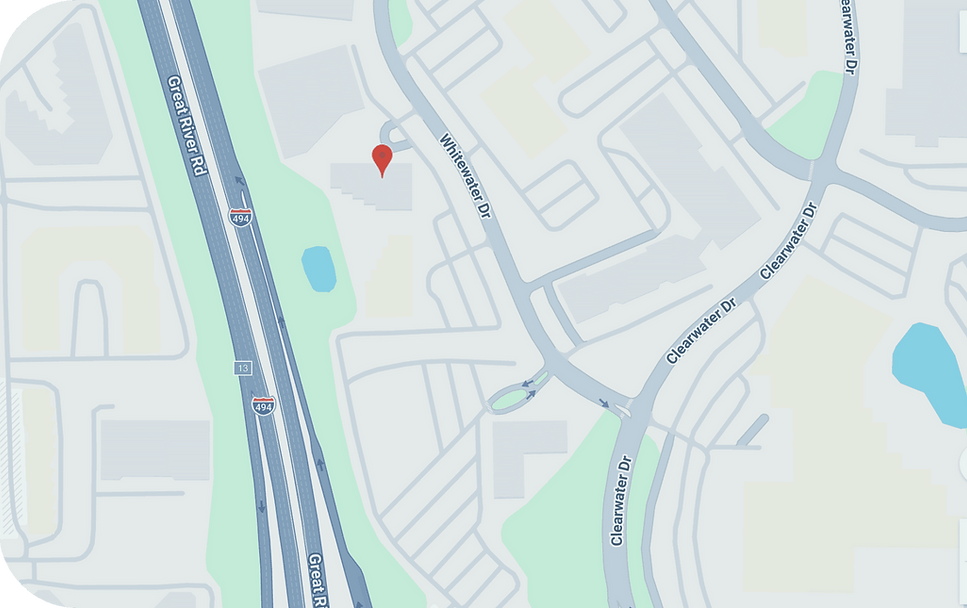
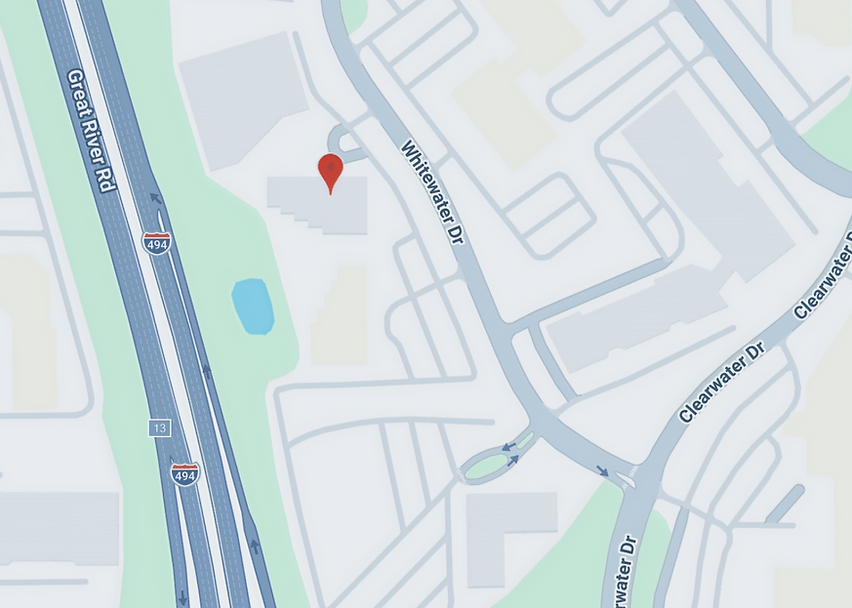
We provide comprehensive psychological assessments for children, adolescents, and adults throughout Minnesota, with in-person testing in Minnetonka and virtual services when appropriate.
Contact Us

Give Us a Call
(612) 200-3950
Email
info@readypsychgo.com
Monday-Friday : 7:00 AM to 7:00 PM
Weekends : by Special Request
Contact Us

Monday-Friday: 7:00 AM - 7:00 PM
Weekends: by Special Request
Give Us a Call or Text
(612) 200-3950
Email
info@readypsychgo.com
We pick up the phone.
Call, text, or email us directly. No portals. No bots. Just real people.

Contact Us
Give Us a Call or Text
(612) 200-3950
Email
info@readypsychgo.com
Monday-Friday : 7:00 AM to 7:00 PM
Weekends : by Special Request
We pick up the phone.
Call, text, or email us directly. No portals. No bots. Just real people.
We pick up the phone.
Call, text, or email us directly. No portals. No bots. Just real people.

We pick up the phone.
Call, text, or email us directly. No portals. No bots. Just real people.
Monday-Friday: 7:00 AM - 7:00 PM
Weekends: by Special Request
We pick up the phone.
Call, text, or email us directly. No portals. No bots. Just real people.
Contact Us
We pick up the phone.
Call, text, or email us directly. No portals. No bots. Just real people.
Give Us a Call or Text
(612) 200-3950
Email
info@readypsychgo.com
Monday-Friday : 7:00 AM to 7:00 PM
Weekends : by Special Request
We pick up the phone.
Call, text, or email us directly. No portals. No bots. Just real people.
Contact Us
We pick up the phone.
Call, text, or email us directly. No portals. No bots. Just real people.
Give Us a Call or Text
(612) 200-3950
Email
info@readypsychgo.com
Monday-Friday : 7:00 AM to 7:00 PM
Weekends : by Special Request
Contact Us
We pick up the phone.
Call, text, or email us directly. No portals. No bots. Just real people.
Give Us a Call or Text
(612) 200-3950
Monday-Friday: 7:00 AM - 7:00 PM
Weekends: by Special Request
Contact Us
Give Us a Call or Text
(612) 200-3950
Email
info@readypsychgo.com
Monday-Friday : 7:00 AM to 7:00 PM
Weekends : by Special Request
We pick up the phone.
Call, text, or email us directly. No portals. No bots. Just real people.
We pick up the phone.
Call, text, or email us directly. No portals. No bots. Just real people.
We pick up the phone.
Call, text, or email us directly. No portals. No bots. Just real people.
Contact Us
We pick up the phone.
Call, text, or email us directly. No portals. No bots. Just real people.
Give Us a Call or Text
(612) 200-3950
Email
info@readypsychgo.com
Monday-Friday : 7:00 AM to 7:00 PM
Weekends : by Special Request
We pick up the phone.
Call, text, or email us directly. No portals. No bots. Just real people.
Contact Us
We pick up the phone.
Call, text, or email us directly. No portals. No bots. Just real people.
